
Expert Group Meeting

Categories
Expert Group Meeting - Australia
Press Release EGM
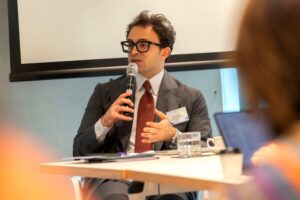
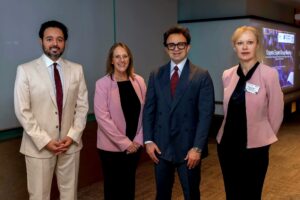
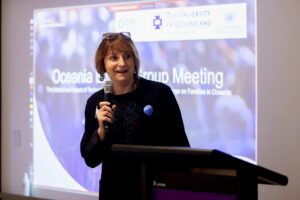
The interlinkages between technological trends, climate change, and family structures were the focus of the Expert Group Meetings (EGM) held in Brisbane, Australia. The EGM was held in partnership with the United Nations Department of Economic and Social Affairs (UNDESA) and the Institute for Social Science Research (ISSR) at the University of Queensland. The EGM in Australia, brought together leading experts from across Australia, New Zealand, and the Pacific region to discuss the impact of global technology and climate change on family, and community dynamics in the regions. Dr. Khalid Al-Naama, Director of the Family Research and Policy Department at Doha International Family Institute (DIFI), who represented DIFI at the meeting, said: “The interlinkage between technological advancements and climate change presents both challenges and opportunities for families across the region. Technology holds the potential to bridge divides, empower families, and foster work-family balance.” Prof. Lisa McDaid, Director of ISSR, who co-hosted the Oceania EGM with DIFI and UNDESA, said: “Over two days, we shared updates from cutting-edge research of our participating experts, examined knowledge gaps, and framed policy solutions for how technology can bridge digital divides within families and communities, while also empowering climate action. “The outcome will be robust recommendations for a sustainable future, supporting families and communities to thrive in an ever-changing environment.” Dr. Ahmed Aref, planning and content manager at DIFI, chaired a session on ‘Digital Literacy, AI & the Future: Navigating the Landscape for Families and Communities’, which covered policies such as promoting digital skills to strengthening familial relations and intergenerational ties, alongside strategies to combat digital addiction, cyberbullying, and harmful content for younger generations. Dr. Aref also suggested that the Oceania-wide recommendations resulting from the EGM will contribute to the 30th anniversary of the International Year of the Family global call to action. The Australia EGM also highlighted digital identities, screen time, and digital parenting, as well as explored the practical tools families can adopt for sustainable behaviors in their daily lives, green parenting, eco-anxiety management, community action, and intergenerational climate education.
About EGM
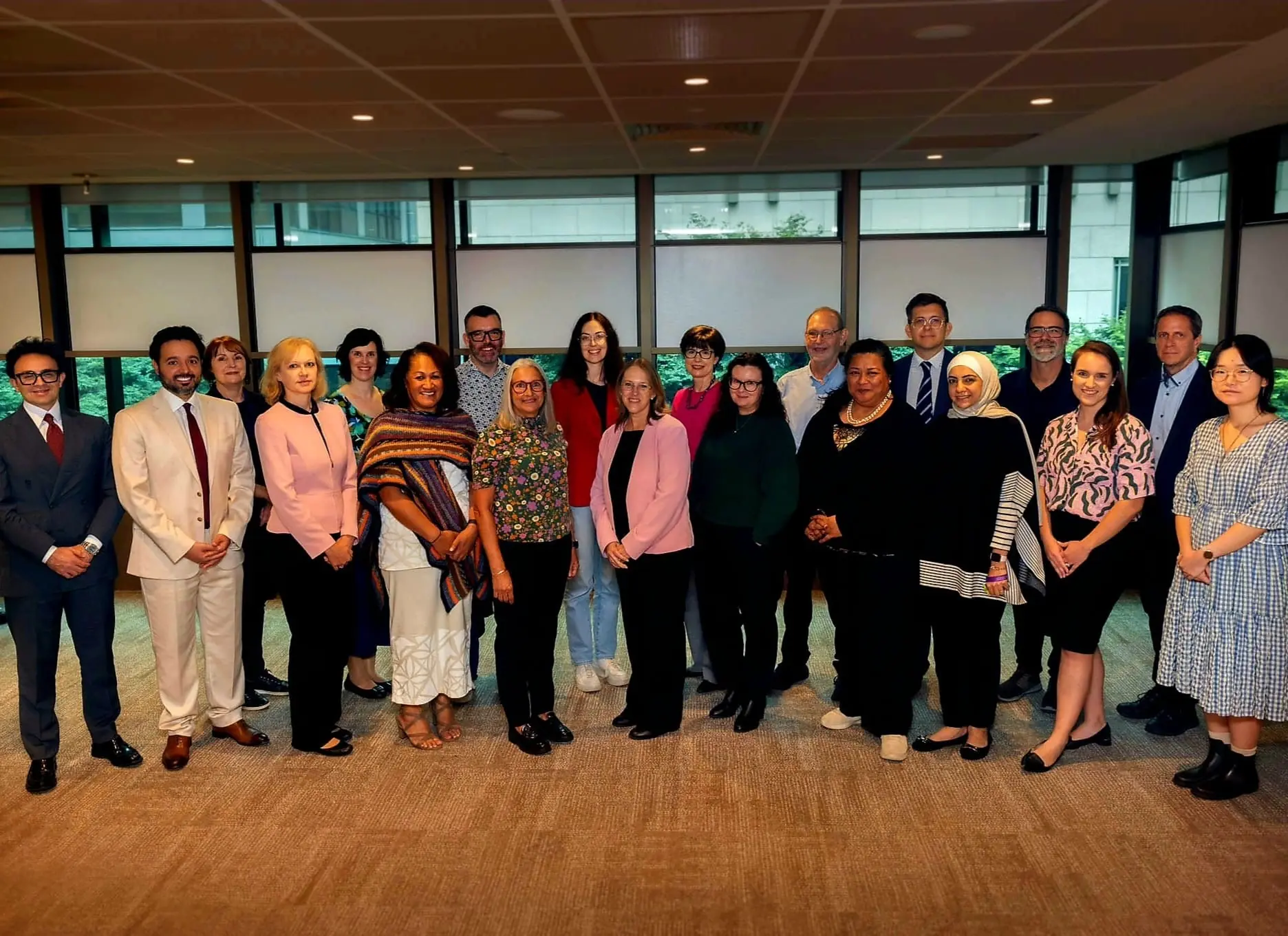
The Doha International Family Institute (DIFI), a member of Qatar Foundation, in partnership with the United Nations Department of Economic and Social Affairs (DESA), are organizing an Expert Group Meeting (EGM) on “The Intertwined Impact of Technological Transformation and Climate Change on Families in Oceania: Navigating the Policy Response”, which will be held in Brisbane, Australia, 30-31 May 2023. This meeting marks a pivotal moment in preparing for the 30th anniversary of the International Year of the Family (IYF+30), aiming to analyze the impact of global megatrends, focusing on technology and climate change on familial dynamics in Oceania region, with the emphasis of exploring the policy implications. The EGM is being organized and co-hosted with the Institute for Social Science Research (ISSR), The University of Queensland. ISSR is one of Australia’s foremost leaders in equity and sustainable futures, undertaking solution-focused social science research and evaluation to achieve positive social impact in a changing environment.
Background
DIFI with the support from DESA is at the forefront of international efforts to commemorate the 30th anniversary of the International Year of the Family (IYF+30). This global initiative culminates in the IYF+30 Conference in Doha, scheduled for October 29-31, 2024. This EGM is building upon the IYF+30 preparatory regional EGMs focused on Arab, African, Asian and Latin American families, organized by DIFI, DESA, and the International Federation for Family Development (IFFD).
Objectives
The Oceania EGM seeks to explore the complex relationship between technological advancements, climate change, and family structures in Oceania. By gathering esteemed regional experts and practitioners, the meeting aims to generate insightful recommendations to inform policies that promote holistic well-being amidst emerging megatrends, focusing on technology and climate change.
Concept note EGM
Background note EGM
Thematic Focus EGM
Thematic Background
In June 2020, an EGM organized by the Focal Point on the Family, UNDESA identified four key mega-trends impacting families in the lead-up to the 30th anniversary of the International Year of the Family (IYF+30). These trends are:
- Technological Changes:
Advancements in technology impact families in diverse ways. Fertility and assistive reproductive technologies are changing family formation, while increased telecommuting due to the pandemic has redefined learning, work, and family dynamics, with potential long-term effects on roles and responsibilities. - Demographic Trends:
Family structures are evolving globally. While couples with children still represent the majority of households, single-female-headed households are increasing. Age of marriage rises, and child marriage remains a challenge. Additionally, aging populations and declining fertility rates present challenges for families and economies. - Migration and Urbanization:
Migration, often driven by the desire to improve family well-being, necessitates addressing factors like access to well-paid jobs, food, healthcare, and education. Urbanization, as a social process, redefines family roles, responsibilities, and structures, impacting domestic dynamics, location choices, and work arrangements. - Climate Change:
Climate change presents multifaceted challenges for families. Droughts, floods, and extreme weather events negatively impact food security and displace families due to resource scarcity and humanitarian crises. This results in lack of adequate shelter, food, and education, particularly for children. These identified trends highlight the need for comprehensive and multifaceted approaches to address the evolving challenges impacting families across the globe.
EGM Thematic Focus
The Brisbane Expert Group Meeting will center around the mega trends of technology and climate change, exploring its profound impact on family and community dynamics, interlinkages between the megatrends, and policy responses. It recognizes the place of the family within a socio-ecological conceptualization, capturing the influence of the individual, the family, community, and structural and environment contexts on people’s lives. It also recognizes that some groups within society are more impacted than others and seeks to challenge entrenched and intergenerational disadvantage.
Empowering Families and Communities in a Changing World
This plenary session will set the scene for the EGM and explore the unique interlinkages between family, communities, technology, and climate change within the specific context of the region. It will examine current evidence, knowledge gaps, and start to frame potential solutions for how technology can bridge digital divides within families and communities, while also empowering climate action. The findings and recommendations from the expert group meeting will be reflected in the upcoming report of the Secretary-General to the 79th session of the General Assembly on the preparations for and observance of the thirtieth anniversary of the International Year of the Family.
Focused Sessions
Four focused sessions will consider the themes in more depth, with short presentations and facilitated discussion across the course of the EGM.
- Digital Identities and Divides: Bridging Gaps
This session explores digital identities, inclusion and exclusion, and how technology both unites and divides families, addressing issues such as access, screen time, and digital parenting, along with how digital divides within society and across cultures might be broken down. - Digital Literacy, AI & the Future: Navigating the Landscape for Families and Communities
This session examines the centrality of media and digital literacy to families and communities and the intersection of AI and society, through ethical considerations of artificial intelligence, privacy concerns, algorithmic bias, the impact of advertising on digital media platforms on communities and cultures. - Raising Climate Warriors: Cultivating Eco-Conscious Families & Communities
This session will explore the practical tools families can adopt for sustainable behaviors in their daily lives, focusing on green parenting, eco-anxiety management, community action, and intergenerational climate education, as well as system-level levers for change. - Climate Change & Vulnerabilities: Building Resilience Together
This session looks at the prioritization of the specific needs and challenges faced by families and communities most vulnerable to climate change, with a focus on place and intersectionality, compounding crises, and opportunities to innovate change across system levels.
A Sustainable Future? Preparing Policy Responses to Technological and Climate Changes
This final session will promote dialogue for participants to share experiences, best practices, and challenges related to climate change, technology, and their impact on families and communities in the region to set forth an agenda for the creation of a sustainable future. Key topics will be:
- Expert reflections on the EGM plenary and focused session discussions.
- Best practices for fostering systemic change to build resilience and well-being in families and communities facing these challenges.
- Collaboration strategies and concrete policy recommendations and responses for advocacy efforts with a regional perspective.
Governance and Flow:
- The first session will be in a plenary format, to set the scene for the EGM, with four 15-minute presentations.
- This will be followed by four focused discussion sessions, which will start with two introductory presentations (15-minutes each) to frame questions for the following discussion, followed by an open panel discussion with all participants.
- There will be two recommendations sessions, which will be in an open dialogue format and moderated to draw together diverse perspectives and concrete policy recommendations.
Moderation: Designated moderators will oversee sessions, guiding group discussions and ensuring active participation from all attendees. Rapporteurs will summarise key points and compile recommendations generated during sessions.
Interactive Approach: primary methods of engagement, fostering dynamic exchanges of ideas and perspectives among participants. The meeting aims to cultivate an inclusive atmosphere conducive to open dialogue and collaborative problem-solving.
Logistical Details
Venue: The meeting is scheduled to take place in-person at UQ Brisbane City, 308 Queen Street, Brisbane CBD, from 30th to 31st May 2024.
Attendance: Attendance is primarily in-person, but hybrid online facilities will be provided for some participants. Recording and photography: Sessions will be recorded to support preparation of the EGM report; CHECK PHOTOGRAPHY.
Language: English will serve as the official working language of the meeting.
Travel and Accommodation: DIFI (Doha International Family Institute) are covering expenses related to travel, accommodation, and local transportation for participating experts. Travel and accommodation queries should be submitted to Ghazal Othman gothman@qf.org.qa.
Catering: Morning Tea and Lunch will be provided to in-person participants on 30 and 31 May; tea, coffee and water will be available throughout both days. An Expert Group Meeting Dinner at Patina, Customs House, 399 Queen Street, Brisbane, will be held on Thursday 30 May for those attending (dinner attendance and dietary requirements must be confirmed by 22 May).
Recommendations EGM
Schedule
9:30 am
brisbane
Arrival
9:45 am
brisbane
Opening Remarks
ISSR
DIFI
DESA
Presenters: Prof. Lisa McDaid, Director, Institute for Social Science Research (ISSR), The University of Queensland Dr. Khalid Al-Naama, Research and Policy Director, Doha International Family Institute (DIFI), Qatar Foundation Ms. Renata Kaczmarska, Social Affairs Officer, Focal Point on Family, Department of Economic and Social Affairs, United Nations (UN DESA)
10:15 am
Brisbane
Presenters: Prof. Ilan Katz, UNSW Sydney, Integrating digitalisation, environment and service policies; Implications for active ageing and family structures and relationships of migrant and minority families Dr. Anne Cleary, Mosaic Insights, Community-led approaches to building resilience – the policy gaps and opportunities Dr. Susan Beetson, The University of Queensland, Ballardong Whadjuk Culture hubs – Thinking about past and present Knowledges to envision regenerative future generations Chair: Prof. Lisa McDaid
11:30 am
Morning Tea and Networking
12:00 pm
Brisbane
Presenters: Dr. Kim Osman, Queensland University of Technology Bridging the low-income families digital divide Dr. Aimee Hourigan, Western Sydney University Culturally-ground conceptualisations of digital technology and its role in supporting social and economic development within/for/by Samoan communities Dr. Susan Beetson, The University of Queensland, Ballardong Whadjuk Culture hubs – Thinking about past and present Knowledges to envision regenerative future generations Moderator: Prof. Daniel Angus Rapporteur: Prof. Greg Marston
1:15 pm
Lunch
2:35 pm
Brisbane
Presenters: Assoc. Prof. Nicholas Carah, The University of Queensland What are we paying attention to? The commercial determinants of what we see and how we feel on digital media platforms Prof. Michael Dezuanni, Queensland University of Technology Media literacy, misinformation, and social cohesion Moderator: Ahmed M. Aref Rapporteur: Prof. Greg Marston
3:30 pm
Session 1
A Sustainable Future? Preparing Policy Responses to Technological and Climate Changes
End of Day 1
6:00 pm
Dinner, Expert Group Meeting Dinner (Patina, Customs House)
8:45 am
Brisbane
arrival
9:00 am
Brisbane
Welcome Acknowledgement of Country
9:15 am
Session 1
Raising Climate Warriors: Cultivating Eco-Conscious Families and Communities
10:30 am
Morning Tea
Brisbane
Climate Change & Vulnerabilities: Building Resilience Together
12:00 pm
Lunch
2:00 pm
Brisbane
Summing Up Next steps
Research – Papers and Presentation
Framing support for parents managing their own and children’s climate anxiety.
Various Authors


Across the chasm? Towards intergenerational empathy and solidarity on climate change.
Nathan R. J. Wiltshire
Generative Co-Design Policies and Practices involving Pacific Families & Communities.
Dr. Tamasailau Suaalii
Community-led and place-based Approaches to Building Resilience: The Policy Gaps and Opportunities.
Anne Cleary
Biographical Notes of Participants
Images