
Expert Group Meeting

Categories
Expert Group Meeting - New York
About EGM
About EGM New York
The Division for Inclusive Social Development (DISD) of the Department of Economic and Social Affairs (UNDESA) is organizing an expert group meeting on “Families and Climate Change” to be held in New York on 15-16 May 2024. TIn line with General Assembly resolutions recommending research and analysis of megatrends, this meeting will explore.
- Climate change and its impact on families.
- The role of families in climate action.
- Indigenous perspectives on climate change and sustainable family farming.
- The interlinkages between climate change and demographic trends, forced migration and displacement, sustainable urbanization, and new technologies.
Families’ vulnerability to climate change is manifested in the increasing frequency of extreme weather events, including hurricanes, droughts, floods, and wildfires, often leading to displacement, property damage, and loss of livelihoods. Food and water scarcity affects agricultural productivity and water availability, and thus families’ ability to access food and clean water.
Changing climate patterns also influence the spread of diseases and exacerbate respiratory conditions, placing additional burdens on families’ healthcare needs. Moreover, families often rely on industries that are sensitive to climate impacts, such as agriculture, fisheries, and tourism. Changes in these sectors can have economic implications for families’ income and stability.
Concept note EGM
The Division for Inclusive Social Development (DISD) of the Department of Economic and Social Affairs (UNDESA) is organizing an expert group meeting on “Families and Climate Change” to be held in New York on 15-16 May 2024. In line with General Assembly resolutions recommending research and analysis of megatrends, this meeting will explore:
(1) climate change and its impact on families;
(2) the role of families in climate action;
(3) Indigenous perspectives on climate change and sustainable family farming;
(4) and the interlinkages between climate change and demographic trends, forced migration and displacement, sustainable urbanization and new technologies.
Families’ vulnerability to climate change is manifested in the increasing frequency of extreme weather events, including hurricanes, droughts, floods and wildfires, often leading to displacement, property damage and loss of livelihoods. Food and water scarcity affects agricultural productivity and water availability, and thus families’ ability to access food and clean water. Changing climate patterns also influence the spread of diseases and exacerbate respiratory conditions, placing additional burdens on families’ healthcare needs. Moreover, families often rely on industries that are sensitive to climate impacts, such as agriculture, fisheries and tourism. Changes in these sectors can have economic implications for families’ income and stability. Despite such impacts, there is a limited focus on how we can approach climate change from a family perspective. There is also insufficient research on how family- oriented policies can contribute to climate action and what families themselves can do to help with the achievement of specific targets under relevant Sustainable Development Goals, in particular SDG13 focusing on climate action as well as other goals intersecting with SDG13, such as poverty and hunger reduction, health and well-being, education, climate-induced migration and sustainable urbanization. Most approaches and investments in climate change focus on advanced technologies, such as electrical or carbon neutral cars and devices, but there is little focus on the role of families and community power and of the centrality of the home amidst societal shifts in the economy, mobility, infrastructure and livelihoods. Although families are key in addressing climate change through their actions and consumer choices, a family perspective is mostly overlooked in broader initiatives. Sustainable lifestyles can be nurtured in families, and thus it is important to empower families to play an effective role in the global response to combat climate change. Notably, families play a crucial role in promoting environmental sustainability through education and instilling good habits and values that contribute to a greener lifestyle. By teaching children about energy conservation and responsible consumption, families can encourage mindful, energy-efficient practices. Emphasizing the importance of reusing and recycling materials within the household fosters a culture of waste reduction and resource conservation. Furthermore, families can exemplify the practice of “voting with your wallet” by making environmentally conscious purchasing decisions and supporting eco-friendly products and businesses that prioritize sustainability. 1 Through education and modelling environmentally friendly behaviours, families not only reduce their ecological footprint but also empower future generations to become informed and proactive stewards of the planet. Moreover, families play a pivotal role in advocating for climate solutions. By participating in local environmental groups or community-based initiatives, families can amplify their voices and mobilize collective action toward sustainable practices and policies. Additionally, parents can actively engage with schools to ensure comprehensive environmental education, advocating for curriculum integration and extracurricular activities that foster eco-consciousness among students. Encouraging discussions on climate change and sustainability within households can empower children to become agents of change in their communities. Through these efforts, families not only contribute to raising awareness but also inspire broader societal shifts towards a more resilient and environmentally conscious future.
Recognizing and incorporating Indigenous perspectives and knowledge into climate change discourse and policymaking is essential for fostering resilience, promoting biodiversity and conservation, advancing climate justice and reversing the damage of fossil-fuel based modes of production and consumption. Valuing, respecting and learning from the cultures of Indigenous Peoples deserves to be an integral part of climate action and strategy. Family farming is estimated to account for approximately 80 per cent of farms worldwide, highlighting the overwhelming prevalence of family farming in global agriculture. Family farms vary widely in size, scale and production methods, but they collectively play a crucial role in feeding populations, supporting rural livelihoods and sustaining agricultural ecosystems. As the role of family farming in food sustainability is not sufficiently recognized or supported, the UN established a Decade for Family Farming (2019-2028) to draw attention of the role of family farming in overall sustainability efforts. It aims, inter alia, to highlight the importance of family farmers in food security, livelihoods, natural resource management and environmental protection and to identify priority policies to support family farmers and agricultural development worldwide. Sustainable family farming is a crucial component of global food systems, contributing to food security, rural livelihoods, and environmental sustainability. 2 By prioritizing agroecological principles, sustainable family farms can mitigate the impacts of climate variability while promoting biodiversity and ecosystem health. 3 Furthermore, the integration of traditional knowledge and Indigenous practices into sustainable farming approaches enhances adaptive capacity and fosters resilience within farming communities. However, challenges such as access to resources, market dynamics and policy support remain barriers to scaling up sustainable farming practices and ensuring their long-term viability. Addressing these challenges will require multi-stakeholder collaboration, supportive policies and agricultural research to empower family farmers and enhance sustainable development.4
Climate change is closely linked to other megatrends analysed as part of the preparations for IYF+30. High fertility rates in certain regions can be seen as posing challenges to sustainability, but the countries contributing most to unsustainable patterns of production and consumption are mostly those with high per capita incomes and low fertility, not those growing rapidly with low per capita incomes.5 High fertility rates in regions of the global South correlate with lower levels of educational attainment and economic development 6; hindering efforts to implement sustainable practices and technologies. However, it is essential to approach this issue holistically, considering cultural, socioeconomic and policy factors. By empowering individuals with access to education, health care, and family planning information and services, countries can achieve population stabilization. On the other hand, emerging research demonstrates that there exists a climate-change induced anxiety in family formation among young people. This trend has been occurring in Europe and to the lesser degree in the rest of the Global North. A recent extensive study published by The Lancet found that 40 per cent of Generation Z individuals (born between 1996 and 2009) worldwide are hesitant to have children due to concerns about the climate crisis. Similar sentiments have been echoed in surveys of millennials (born between 1981 and 1995). 7 Forced migration and dislocation are common outcomes of adverse climate events, such as droughts, floods and land degradation. These events often lead to the displacement of vulnerable populations, exacerbating existing social and economic challenges. Climate- induced migration disrupts livelihoods, strains resources and triggers conflicts over limited resources.8 It has also been linked to increased health risks, such as vector-borne illnesses spreading through contaminated water supplies. In this context, disaster risk reduction and sustainable urbanization strategies are key to mitigate the drivers of forced migration. Sustainable urbanization is a challenge as cities face the severity of extreme climate events.9 Adaptation and mitigation strategies in tandem with sustainable management are essential to achieve sustainable urbanization. Adopting nature-based solution mimicking natural ecosystems to increase climate resilience and incorporating green building standards and green spaces into designs of smart cities can improve air quality, biodiversity and the overall well-being of city dwellers.10 New technologies hold immense potential in both preventing and mitigating climate change across various sectors. In energy production, advancements in renewable energy sources are leading to reductions in greenhouse gas emissions. 11 Smart grids and energy storage systems lead to efficient energy usage and reduction of waste.12 Additionally, advancements in carbon capture and utilization technologies enable the removal of CO2 from the atmosphere, helping to mitigate the effects of past emissions.13 Agency at the industry and corporation levels is key, but government oversight and policies are also necessary. Moreover, digital technologies enabling working from home contribute to the reduction in transportation to and from workplaces, thus reducing air pollution and traffic congestion. Despite many linkages between climate change and other megatrends, policy responses have been fragmented and do not address current linkages in a systematic way. The EGM will address the potential of family-centred approaches to tackle the above- mentioned linkages in an effective and sustainable way and highlight good practices in some areas.
The primary objective of the meeting is to bring together experts to discuss and explore the issues noted above. The conclusions and recommendations of the meeting will provide Member States and other stakeholders with expert analysis regarding several issues related to family policy developments in the context of megatrends. The findings and recommendations from the expert group meeting will be reflected in the upcoming report of the Secretary-General to the 79th session of the General Assembly on the preparations for and observance of the thirtieth anniversary of the International Year of the Family.
Experts are asked to provide a paper, make a short presentation, participate in group discussions and give their expert opinions and policy recommendations on family policy development, monitoring and implementation in the areas mentioned above. The experts are also expected to provide specific examples of good practices on topics under discussion and to offer detailed recommendations on the further development of policies, programmes and strategies to support families in the areas noted above.
Background papers (5-7 pages, single-spaced, excluding references, figures, and statistical tables) prepared by each expert on issues in the annotated agenda and including policy recommendations.
Report of the meeting containing a summary of the discussion and policy recommendations, prepared by DISD/DESA.
Papers by experts will cover issues identified in the agenda, explain their relevance, provide quantitative and qualitative evidence, analyse the roles of social institutions, give examples of good practices, and offer conclusions and recommendations. The report and experts’ papers will be posted on the website of the DISD/DESA.
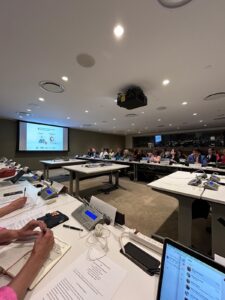
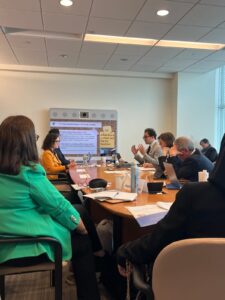
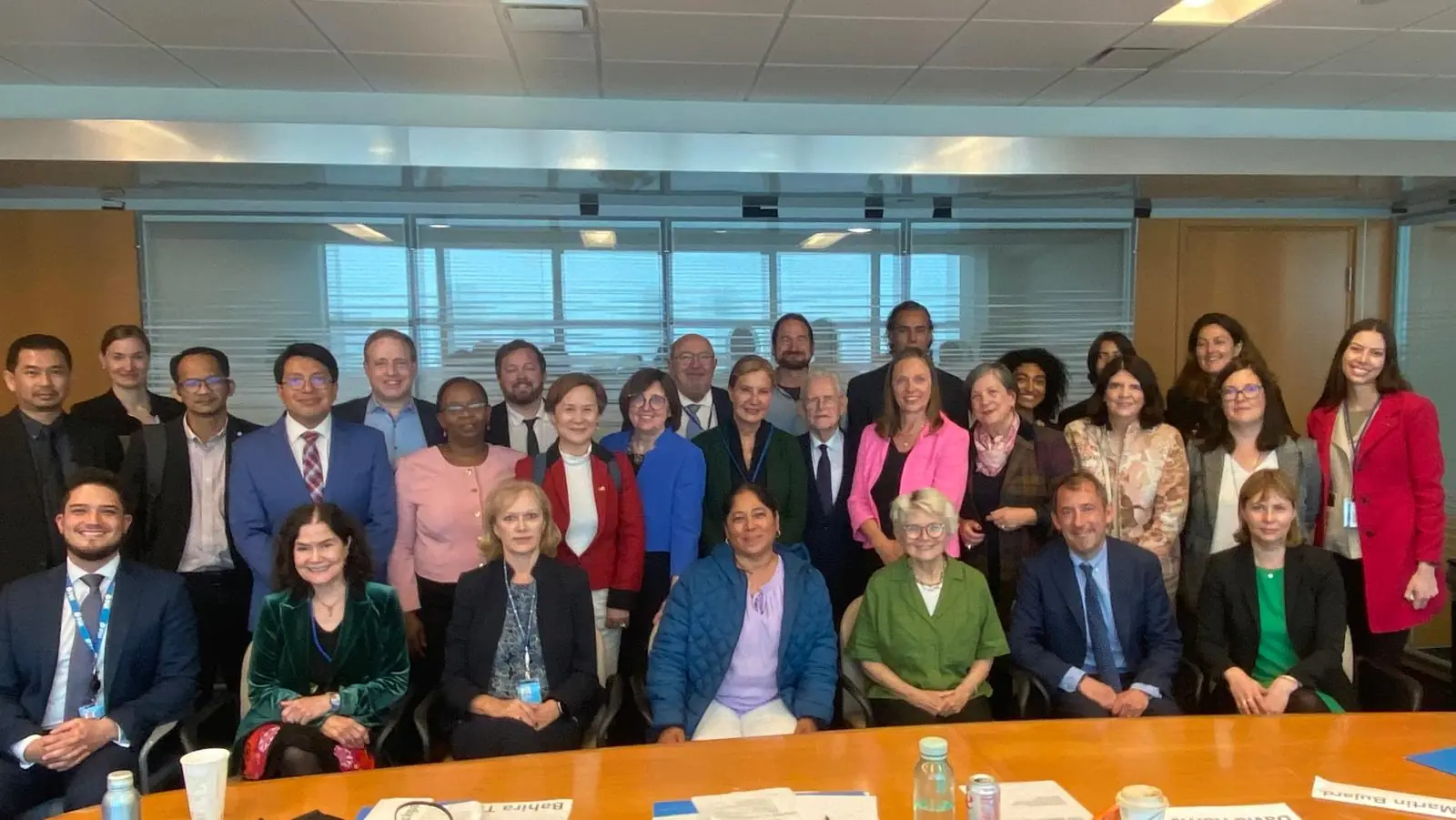
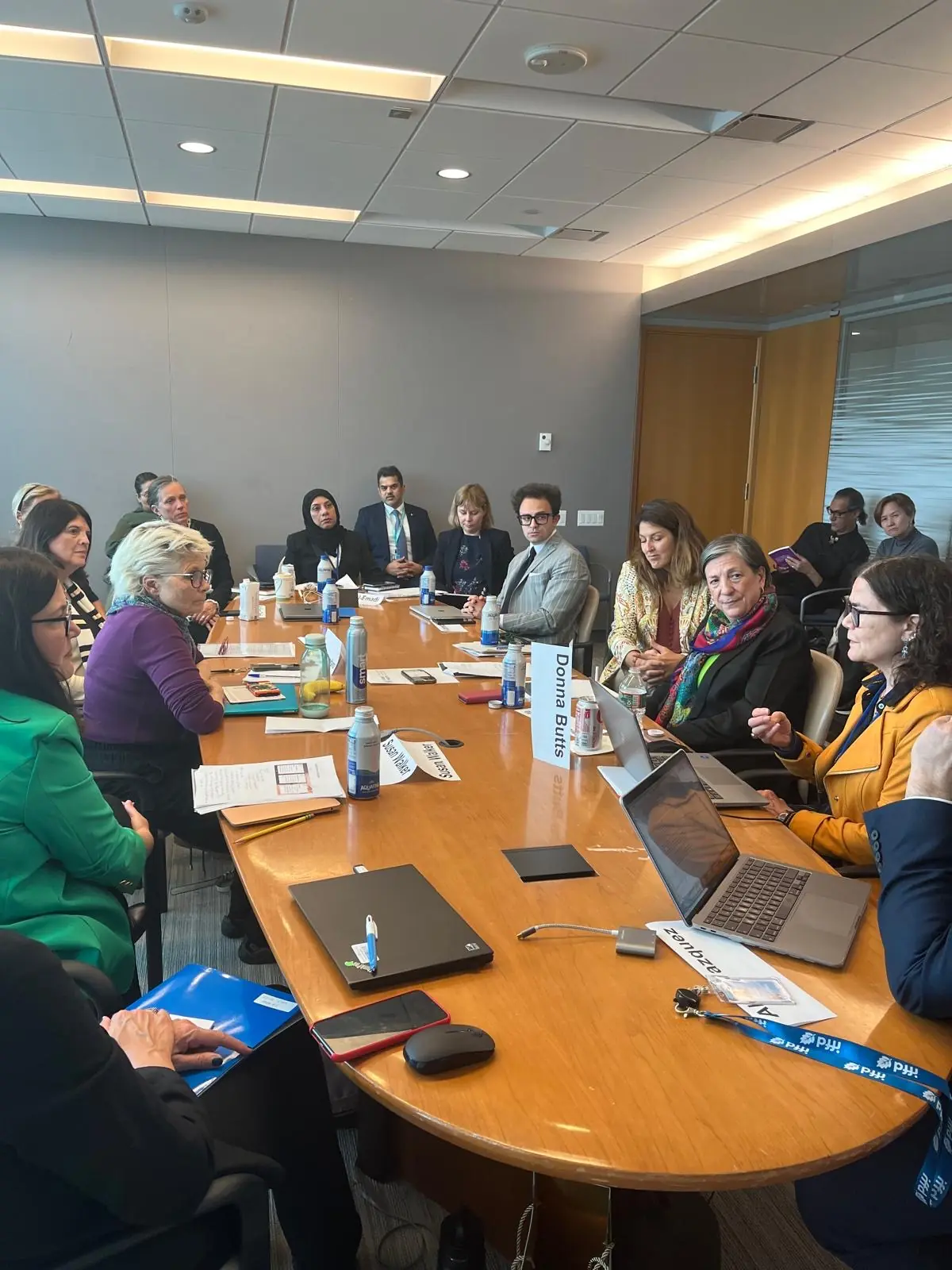
The in-person meeting, with possible online participation of some experts and observers, will be held at United Nations Headquarters in New York on 15-16 May 2024 from 9:00 am to 17:00 pm (EDT, i.e., “summer time” in NYC). Experts will include academics from fields covering various aspects of climate change, family policy, new technologies, migration, urbanization, demographic trends and other related issues. Experts from various regions will participate in the meeting in their personal capacities. Each expert is required to provide a short presentation based on his/her written paper (not exceeding 15 minutes). The presenters should submit their papers to the UN Secretariat by 1 May 2024. The participants will meet in several working sessions.
Each session will have brief introductory remarks or (a) presentation(s) by (an) expert(s), which will introduce the topic and provide context for the ensuing discussion (use of PowerPoint is encouraged but not required).
A moderator for each session will lead the group discussion and be responsible for a summary and compiling the recommendations from that session.
Discussions and brainstorming will be the preferred method of work and no formal conference-style presentations are envisioned.
The working language of the meeting will be English, and there will be no interpretation provided. All submissions should be made available to the Secretariat in English.
In carrying out their commitments under Article 4, paragraph 1 (i), the Parties shall: (a) Promote and facilitate at the national and, as appropriate, subregional and region
The development and implementation of educational and public awareness programmes on climate change and its effects;
Public access to information on climate change and its effects;
Public participation in addressing climate change and its effects and developing adequate responses; and
Training of scientific, technical and managerial personnel;
Cooperate in and promote, at the international level, and, where appropriate, using existing bodies:
The development and exchange of educational and public awareness material on climate change and its effects; and
The development and implementation of education and training programmes, including the strengthening of national institutions and the exchange or secondment of personnel to train experts in this field, in particular for developing countries.
Parties shall cooperate in taking measures, as appropriate, to enhance climate change education, training, public awareness, public participation and public access to information, recognizing the importance of these steps with respect to enhancing actions under this Agreement.
Background note EGM
Recommendations EGM
Climate Change Mercedes
Recognize the home and household as the primary place and source of positive response to challenges posed by climate change and prioritize families, homes and households as fundamental units and critical agents in learning, education and shared concerns about climate change. They should info rm life-long climate choices as a collective social unit rather than the current focus on individual attitudes.
Trust homes to respond in ways which will make the most difference in their own context. Governments need to revisit their top-down instructional approach and work within regional/ community “real” boundaries and ecosystems for change rather than the current focus on political messaging and national targets that have limited meaning on the family and community level.
Build contexts in which homes can function at their best for the good of all. Governments need to force a radical approach towards a holistic approach to housing within a relational model of lived neighborhoods where natural and social interests are integrated and complementary within a meaningful, connected, and sustainable living.
Kinga
Recognize and actively involve youth and families and their organisations as key agents in shaping a sustainable future through meaningful engagement and participation in decision-making processes.
Embrace the dual role of families as both consumers and producers to foster a more sustainable and inclusive society for present and future generations.
Ensure targeted support for families, particularly those in vulnerable situations, to address the financial challenges posed by climate change impacts.
Expand tax incentives for green technologies, products, and services to incentivize their adoption and promote sustainable consumption practices among households
Advocate for policies that promote product longevity and sustainability, such as implementing longer warranties and the right to repair for items like computers, cars, and household appliances, encouraging durability and reducing waste.
Madelaine
Strengthen families and highlight the important role they can play in creating better conditions for the climate and the importance of family unity in building resilience in society.
Design policies that enable families and individuals to make the right consumption choices through various incentives such as reduced taxes on essential and ecological basic goods and increased prices for goods with a negative environmental impact.
Place the highest demands on those responsible for the majority of the emissions and require all emissions to be reported without exception for any activity, such as the armed forces and military industry. The investment in peace must accelerate as conflicts have a strong negative impact on climate change.
Develop a clear and comprehensible narrative about how the climate transition is to be implemented. GDP should be replaced with better measuring instruments based on sustainability principles for both the earth and humanity’s needs rather than based on constant economic growth.
Advocate for policies that promote product longevity and sustainability, such as implementing longer warranties and the right to repair for items like computers, cars, and household appliances, encouraging durability and reducing waste.
Zitha
Develop or increase coverage of family-oriented social protection mechanisms to ensure food security at all times in those world regions vulnerable to climate change effects.
Use an inclusive, intergenerational response to climate change through engaging youth to draw from their creativity, innovation and relatively advanced technology skills to pursue the climate action agenda not only internationally but also at regional, national, local and community levels. Similarly, engage with older persons and ensure that they are informed about current and emergent climate crises, their consequences, and mitigation and adaptation strategies also upholds their rights, agency and dignity.
Develop and effectively implement policies, standards and incentives to ensure that families, at the household level, adopt consumption behaviours that support and contribute to environmental sustainability.
Ignacio
Invest in more effective policies focusing on promoting family values, countering information overload, and fostering a commitment to building a future through family life. Promote measures, such as policies with economic incentives, equal job opportunities, and recognizing motherhood as a full-time job, which can boost youth confidence in investing in a family.
Prioritize awareness campaigns for genuine sustainable living instead of endorsing unnecessary production (political entities).
Develop plans at all levels, fostering critical thinking, reframing narratives, addressing negative psychological impacts, creating supportive environments for parents, and providing economic compensations for families reducing their consumption (Governments).
Address declining birth rates with a nuanced understanding of various factors, including climate change anxiety and shifts towards individualism in society.
Recognize that there’s no one-size-fits-all solution, and potential secondary effects of simplistic approaches must be considered. As economic challenges and climate anxiety undermine the family’s role in social development, restoring confidence in ourselves and our roots is crucial to overcoming fear and approaching the future with realism and courage.
Bahira
Migration policies need to be reconceptualized to recognize changes in migration patterns due to environmental changes or crisis. Visa options and the category of “environmental refugee” need to be created if adaptation and return to countries of origin is not possible. The development of structured pathways for regular migration, as well as mitigation and adaptation strategies need to be instituted.
The policy barriers for return migration need to be reduced.
States need to invest in early warning systems and preparedness to ensure the safety of local populations in the event of environmental crises.
Social security programs and community-level supports and interventions need to be strengthened to minimize the reproduction of vulnerabilities within households related to migration.
Gender issues and programs need to be highlighted as they are often forgotten in policy decisions on migration; for instance, designating separate shelters with protected toilets and bath areas for women and girls so that they are safe.
Training and skill building programs for migrants towards job needs in higher-income countries need to be instituted.
Childcare needs to be prioritized so that adults who have migrated can learn new skills.
Disaggregate data needs to be prioritized to help inform cooperation and scaled-up climate action.
A family lens needs to be integrated into evaluations and policies and programs about migration.
Support programs and policies that take the varying population in urban areas into account need to be prioritized.
The creation of green spaces in urban areas need to incorporate into urban planning; also, in part by providing best case examples from different parts of the world.
Prioritize corporate responsibility laws to help stem factors associated with climate change.
Zitha
Adopt a family system approach in addressing the needs and circumstances of migrants in concentrated areas as well as environmental migrants. Without limiting the capacity of the host communities, interventions in this regard need to be culturally sensitive and context-specific and, for the most part, should aim to build social cohesion through, inter alia, availing basic services and facilities (appropriate family housing, safe water, sanitation, primary and mental health services); economic equality and inclusion, parenting and interfamily support; and recreational and arts facilities for migrant families members across the life-course.
Gamal
Invest in sustainable city design stemming from the breakdown of large cities and metropolis into smaller sustainable and self-sufficient neighbourhoods relying on technology as support infrastructure for families.
Susan
Make sure technological innovation to address climate change is part of collaborative and continuous global solutions.
Invest in financing for technology innovation as critical to advance the research, development, and implementation of new strategies. This is particularly important in health care. Financing support to households and localities will encourage the use of more renewable energy sources and greener buildings.
Implement policies integrating technology in climate action that keep abreast of future tech, especially the value of artificial intelligence (AI).
Include women’s contributions to technological innovation and promote collaboration with indigenous areas and those regions vulnerable to the greatest impacts of rising temperatures.
Invest in education on climate change, including critical thought to identify and dispel misinformation. A component of this education is information and communications technology (ICT) which is often used to transmit information from person to person, spread misinformation and thus create polarization on climate issues.
Hold accountable technology/social media platform companies to do more to combat the spread of misinformation about climate issues.
Ruben
Identify local regenerative family farms and Indigenous communities focused on ecosystem health and engage them when writing policy to ensure that subsidies, insurance policies, grant opportunities, and sales channels are supporting a regenerative local food system. (for Government agencies).
Identify opportunities to educate and engage families in their local communities to be active participants in ecological land management. Local farms interested in engaging the public can host the families for educational workdays or engagement opportunities can be organized on public lands. (for Government agencies).
At the local, regional, and national level – include youth and families of color as they can be important climate advocates at the leadership table. (for leaders and land managers).
Invite youth of color and their families who are Indigenous and of mestizo background and those who have indigenous farming heritage to learn about their farming ancestry and to have a voice.
Invest in biodiversity as a key to climate resilience, whether in agricultural fields or in communities.
Ahmed
- Develop and implement family support programs: Programs promoting healthy communication skills, conflict resolution, and relationship management within families could contribute to reducing divorce rates and strengthening family stability, that would in turn contributes to environmental sustainability.
- Address the social determinants of family stability: Policies aimed at tackling issues like poverty, unemployment, and access to affordable housing can create a more supportive environment for families, potentially reducing divorce rates.
- Integrate family stability considerations into environmental policy: Environmental policy discussions and interventions should consider the potential social impacts on families. For example, policies promoting sustainable housing options could consider affordability and family needs.
- Invest in further research: More research is needed to explore the relationship between family stability and environmental sustainability across diverse contexts. This research could inform the development of more effective policies for both social and environmental pathways.
Madeleine
- Value unpaid care and domestic work must be valued and included to strengthen families and recognize the time and invaluable work that mainly women do throughout the world.
- Empower parents to take care responsibilities both for their children and for making climate changes, by freeing up the time it entails. Family-life balance instead of work-life balance with shorter working hours and a flexibility that runs parallel to life and care responsibilities.
Dominic and David
- Implement Universal Child Benefits (UCBs), what UNICEF and the ILO now call the “foundational policy for development.” Sufficiently sized, UCBs could eradicate extreme child poverty around the globe. If resources are scarce, countries could consider beginning with the youngest children who on average receive the smallest share of government expenditures on children share – in direct contradiction to the wealth of evidence of the importance of investments in the earliest years. Once in place UCBs allow governments to know where their children are. In emergencies, benefits can piggyback on this knowledge. With the increasing frequency of climate shocks, families will need both consistent and emergency assistance.
- Count children in all rebates, dividends, and other cash payments. Direct payments – with varied purposes and names including economic impact payments, stimulus payments, dividends, and rebates – arise regularly in family policy as well as in family policy proposals. Often an afterthought, children are seldom considered in such policies. When families grow, it is almost always through the addition of an infant. As such, family policies that are per household or cap benefits on certain family sizes, disproportionately impact the youngest members of society. Using per capita rebates instead of per household rebates is also consistent with policies designed to encourage less use of energy in the face of the climate crisis. When people move in together, they use less energy on average.
Schedule
9:00 am
Mew york
Registration
10:00 am
New York
Moderator & introductory remarks: Masumi Ono, Chief, Social Integration & Participation Branch, Division for Inclusive Social Development, Department of Economic and Social Affairs, DISD/UNDESA
Launch of publications:
M. Gamal Abdelmonem, Chair in Architecture & Founding Director of Research, University of York, United Kingdom “Home, family and climate change: Understanding the power of home to transform societies in the face of climate emergency”
Renata Kaczmarska, Focal Point on the Family, DISD/UNDESA & Chista Behbin-Guirand, Intern, UNDESA “Main findings and recommendations of the background paper on ‘Climate change and families” (authored by Professor Lena Dominelli, University of Stirling, United Kingdom)
International forum on IYF+30 achievements and the way forward
Regional expert group meetings, symposiums, awareness-raising events & national and local good practices & initiatives Presenters:
Irwan Nadzif bin Mahpul, Researcher at the Population and Family Research Division, National Population & Family Development Board, NPFDB, Malaysia The Development of Family Wellbeing Index : Malaysia Experience EGM on Interlinkages between Migration, Urbanization, New Technologies, Demographic Trends and Climate Change in Asia
Sharifa Al-Emadi, Director of International Relations, International Federation for Family Development, IFFD EGM on Population Ageing and Family Wellbeing in Europe Event at the European Parliament on the Impact of Climate Anxiety on Family Formation (Understanding the Controversy on the Decline in Fertility and the Future Evolution of it)
Ignacio Socias, Executive Director, Doha International Family Institute, DIFI EGM on Technological Change and the Family in the Arab Region EGM on Demographic Change & Family Wellbeing in Africa International Conference on Family and Contemporary Megatrends
Vivian Lou Weigun, Professor, University of Hong Kong and Representative of the Consortium of Family Institutes in Asia, CIFA EGM on Demographic Changes & Ageing of Population in Asia
Juan Antonio López Baljarg, Director general, Instituto de Analysis de Politica Familiar, IAPF EGM on Megatrends and Families: Focus on Demographic Change in Latin America
Donna Butts, Executive Director, Generations United Symposium “Changing Demographics can Result in Strengthening Families”
Dominic Richardson, President, Regional Council of Veneto Region Family Policies and the Impact of Climate Change
Roberto Ciambetti, Managing Director, Learning for Wellbeing Institute, Netherlands EGM on Parenting, Caregiving, Work-family Balance and Family Policies
Diosdado Marasigan, President, Educhild Foundation, Inc. Parenting education initiatives & IFFD Congress, Philippines
Civil Society Declaration
Presenters: Alex Vazquez, Representative to the UN/Strategic Partnerships Coordinator, IFFD Madeleine Wallin, Secretary General, European Federation of Parents and Carers at Home, FEFAF Unpaid care and domestic work and early childhood development Regina Maroncelli Florio, President, European Large Families Confederation, ELFAC New technologies & the wellbeing of families at home, at work and in the community
11:45 am
Lunch
1:00 pm
New York
Moderator: David Harris, President of Children’s Research and Education Institute
Presenters:
Zitha Mokomane, Professor & Head of the Department of Sociology, University of Pretoria, “Population growth and environmental sustainability’
gnacio Socias, IFFD “The impact of climate anxiety on family formation”
Issues for discussion
- High fertility and environmental concerns
- Impact of growing population on the planet
- Climate anxiety & family formation
- Climate change and mental health
- Perceptions of Governments’ responses to the climate crisis
3:00 pm
Coffee Break
3:15 pm
New York
Moderator: Susan Walker, Associate Professor Emeritus, Family Social Science, University of Minnesota
Presenters:
Ruben P. Viramontez Anguiano, Professor, University of Colorado “Climate change, Indigenous perspectives and sustainable family farming”
Martin Bujard, Deputy Director of the Federal Institute for Population Research, Germany “Why families are essential for future climate protection policy”
Kinga Joo, European Policy and International Affairs Advisor, National Association of Large Families, Hungary, NOE ”EU climate action: Engaging families for sustainable change”
Issues for discussion
- Indigenous peoples & climate change
- The importance of sustainable family farming
- Families and climate change advocacy
- Good practices
9:30 am
New York
Moderator: Donna Butts, Generations United Presenters: Ahmed Aref, Planning and Content Manager, Doha International Family Institute, DIFI “Family stability & environmental sustainability: an interdependent nexus” Regina Maroncelli Florio “Families, circular economy, education and environmentally friendly habit formation” Issues for discussion Is family perspective absent from climate change considerations? Climate change and responsibilities towards future generations Environmentally friendly education and habit formation Circular economy and families Families and ‘voting with your wallet’ Families living under one roof: less of an environmental footprint and shared use of resources
10:45 am
Coffee Break
11:00 am
New York
Moderator: Kinga Joo, NOE
Presenters:
Bahira Trask, Professor, Human Development & Family Science, University of Delaware “Interlinkages between climate change, forced migration and displacement and sustainable urbanization
Gamal Abdelmonem, Chair in Architecture, University of York “Sustainable city design and families” (virtual)
..
Antonio Franzina, Regional Council of Veneto Region “Sustainable urbanization: Good practices from Veneto region”
Issues for discussion
- IInternal & international migration
- Migration and conflicts
- Displaced population
- Migration and urbanization impacts on families
12:30 pm
New York
Moderator: Sharifa Al-Emadi, DIFI
Presenters:
Susan Walker , University of Minnesota“Climate change, family technology use and the role of tech in promoting climate action”
Patricia Debeljuh, Director, Centro Conciliacion Familia y Empresa, IAE Business School & Angeles Destefano, IAE Business School “Redefining workspaces: Human ecology, families and environmental footprint”
Issues for discussion
- Environmental impacts of technology use in families
- New technologies and climate change action
- Energy savings from telework
- Good practices
3:00 pm
Coffee Break
3:15 pm
New York
Moderator: Alex Vazquez, IFFD
Presenters:
Madeleine Wallin, FEFAF “Climate Change – How families can make a difference?”
Mercedes Jaureguibeitia, Executive Director, Home Renaissance Foundation & Angela de Miguel, Project and Media Manager, Home Renaissance Foundation “Care in the home, care of the common home”
Issues for discussion
- IYF+ 30 outcomes and recommendations
- The role of academics, civil society and Governments in family policies research, advocacy and implementation
- The Second World Summit for Social Development in 2025
- Decade for family policy implementation (2024-2034)?
- Family wellbeing indices
- Outreach and engagement with civil society
4:30 pm
New York
Closing remarks: Renata Kaczmarska, DISD/UNDESA
Presenters:
* Final recommendations will be elaborated via email exchanges with participants
Research – Papers and Presentation
Climate Change, Indigenous Perspectives and Sustainable Family Farming
Ruben P. Viramontez Anguiano


The Interdependence of Family Stability and Environmental Sustainability
Dr. Ahmed Aref,
Families, circular economy, education and environmentally friendly habit formation
Maria Regina Maroncelli Florio
Climate Change And families
KINGA JOÓ
Population Growth and Environmental Sustainability
Zitha Mokomane
Redefining Workspaces: Human Ecology, Families and Environmental Footprints
P. Debeljuh and A. Destefano
The Impact of Climate Anxiety in Family Formation
Ignacio Socias Piarnau
Sustainable City Design and Families
Professor Mohamed Gamal Abdelmonem
Why families are essential for future climate protection policy
Prof. Dr. Martin Bujard
EU climate action: Engaging families for sustainable change
Franzina
Climate Change – How can Families make a difference
Madeleine Wallin
Care in The Home, Care of The Common Home
Mercedes Jaureguibeitia
Climate change, family technology use and the role of technology in promoting climate action
Susan K. Walker
Biographical Notes of Participants

Mohamed Gamal Abdelmonem
Chair of Architecture and the Founding Director of Research, York School of Architecture, the University of York

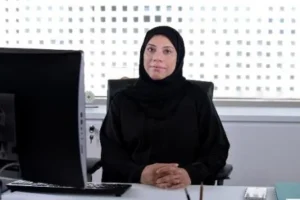
Sharifa Noaman Al Emadi
Executive Director of Doha International Family Institute, DIFI
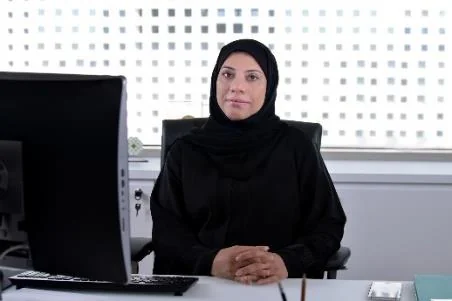

Ruben P. Viramontez Anguiano
Professor, University of Colorado


Ahmed Aref
Planning and Content Manager, Doha International Family Institute, DIFI


Juan Antonio López Baljarg
Director general, Instituto de Análisis de Política Familiar, IAPF


Martin Bujard
Deputy Director, Federal Institute for Population Research, BIB


Donna Butts
Executive Director, Generations United


Roberto Ciambetti
President, Regional Council of Veneto Region
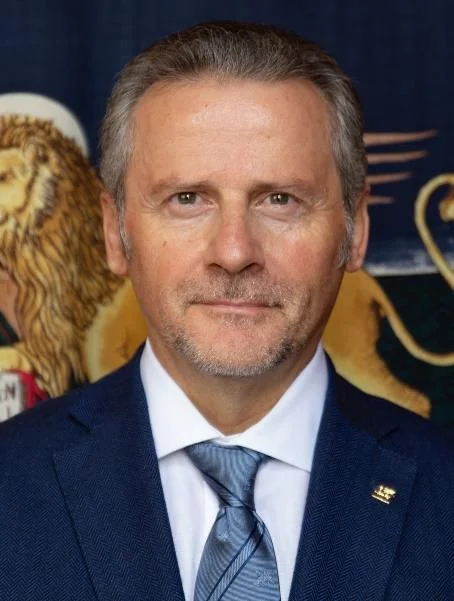

Patricia Debeljuh
Director, Centro Conciliación Familia y Empresa, IAE Business School
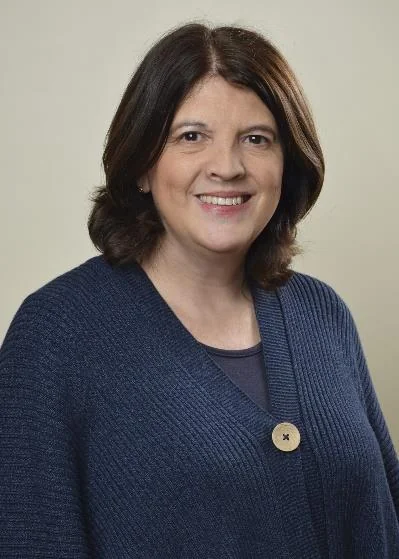

Ángela de Miguel
Project and Media Manager, Home Renaissance Foundation


Angeles Destefano
PHD Candidate, Universidad Austral
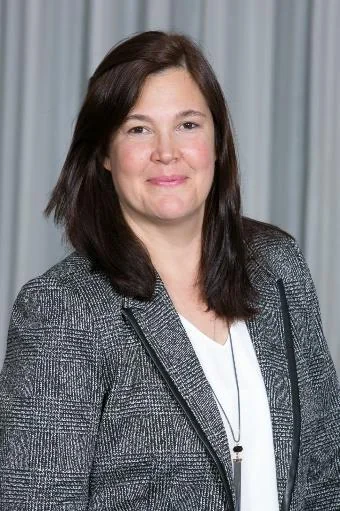

Maria Regina Maroncelli Florio
President, European Large Families Confederation, ELFAC


Antonio Franzina
Head of the Press Office, Regional Council of Veneto Region


David B. Harris
President of Children’s Research and Education Institute


Ismahalil Ishak
Social Research Officer at the National Population and Family Development Board, NPFDB
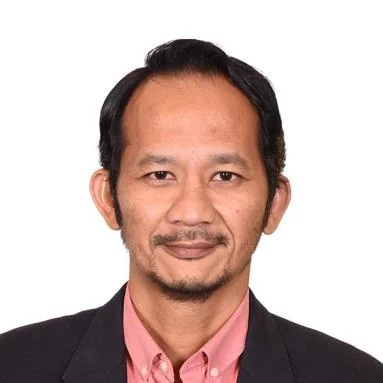

Mercedes Jaureguibeitia
CEO Home Renaissance Foundation
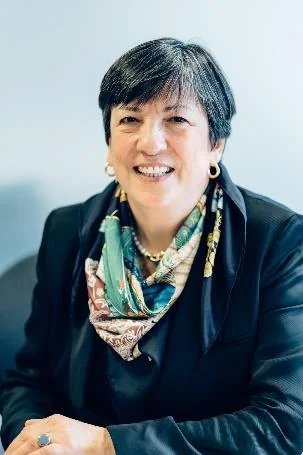
Kinga Joó
European Policy and International Affairs Advisor, National Association of Large Families, Hungary, NOE
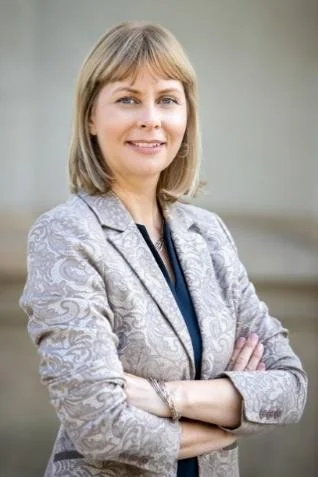
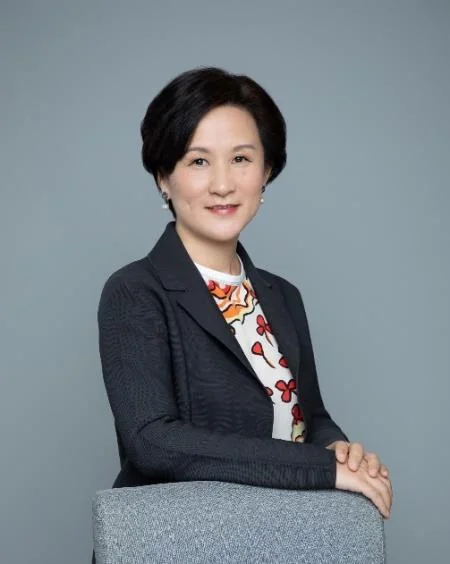
Vivian Lou
Professor at Department of Social Work & Social Administration at the University of Hong Kong

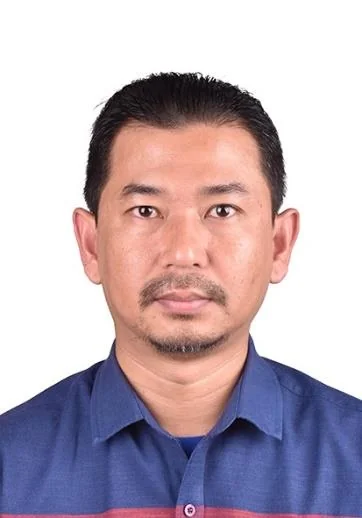
Irwan Nadzif Mahpul
Researcher at the Population and Family Research Division, National Population & Family Development Board, NPFDB

Diosdado B. Marasigan
President, Educhild Foundation, Inc.


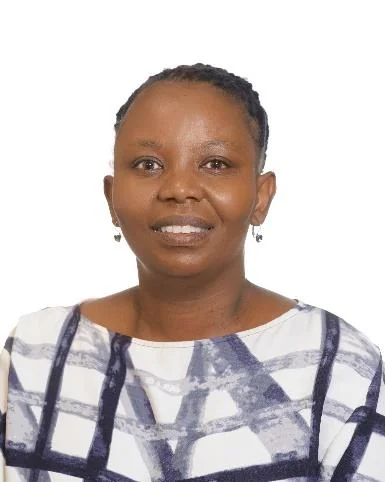
Zitha Mokomane
Professor and Head of the Department of Sociology at the University of Pretoria, South Africa
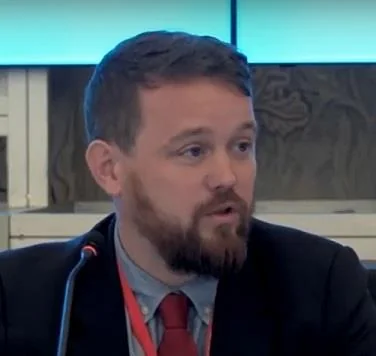
Dominic Richardson
Managing Director of the Learning for Well-being Institute

Ignacio Socias
Director of International Relations for the International Federation for Family Development, IFFD
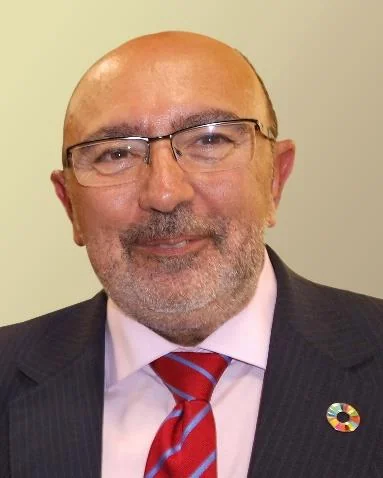

Bahira Trask
Professor, University of Delaware


Jose Alejandro Vazquez Alarcon
Representative to the UN/Strategic Partnerships Coordinator, IFFD
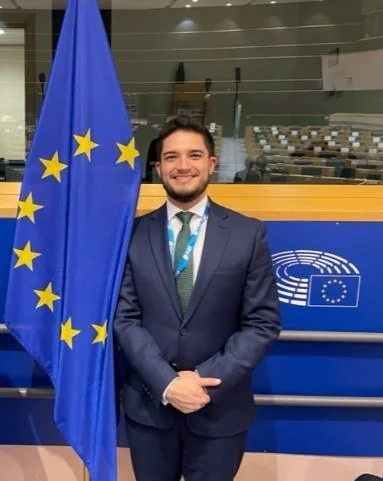

Madeleine Wallin
Secretary General, European Federation of Parents and Carers at Home, FEFAF


Susan K. Walker
Professor, University of Minnesota


Masumi Ono
Chief, Social Inclusion and Participation Branch, UNDESA (United Nations Staff)

Chista Behbin-Guirand
Intern, UNDESA (United Nations Staff)

Renata Kaczmarska
Social Affairs Officer, UNDESA (United Nations Staff)
Images