
Expert Group Meeting

Categories
Expert Group Meeting - MENA
About EGM
Introduction
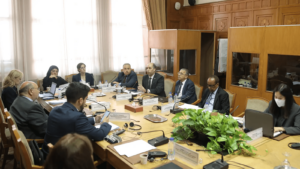
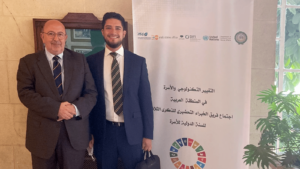
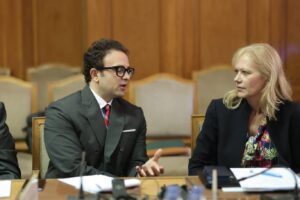
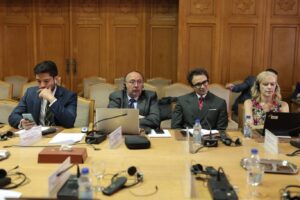
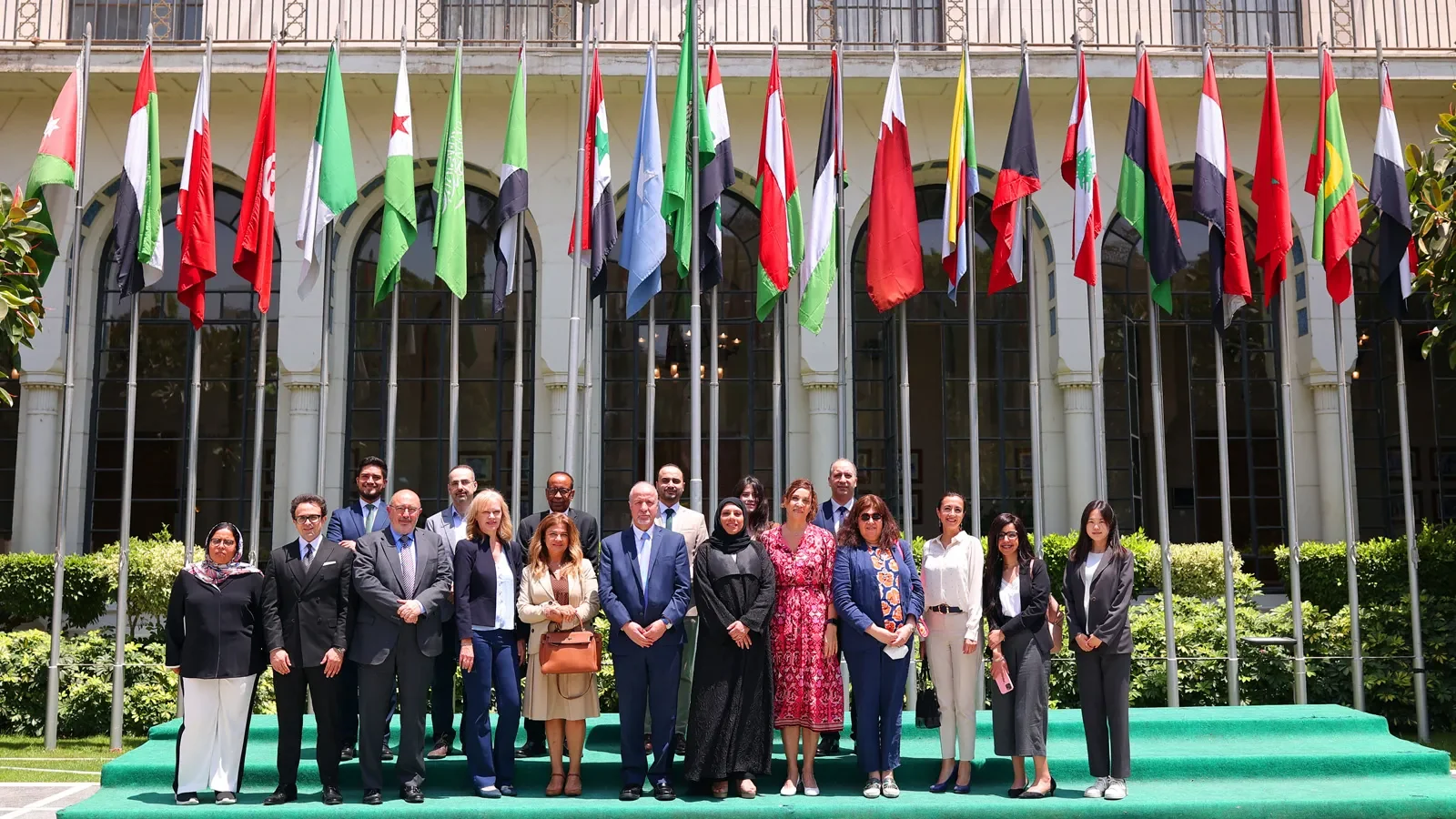
The Doha International Family Institute (DIFI), a member of Qatar Foundation for Education, Science and Community Development (QF), organized a preparatory meeting of experts to celebrate the 30th anniversary of the International Year of the Family, held in Cairo in partnership with the United Nations Department of Economic and Social Affairs and the United Nations Population Fund in the Arab States region. In a statement, the institute stated that the two-day meeting shed light on the topics of technological change and the family in the Arab region in preparation for the convening of the international conference in Doha this year. The meeting also included a series of discussions, namely the topics of the positive and negative effects of technology on the Arab family, a review of international experiences on digital parenting programs, the importance of technology in supporting work-family balance, and enhancing the provision of family care services for the elderly through assistive technology.
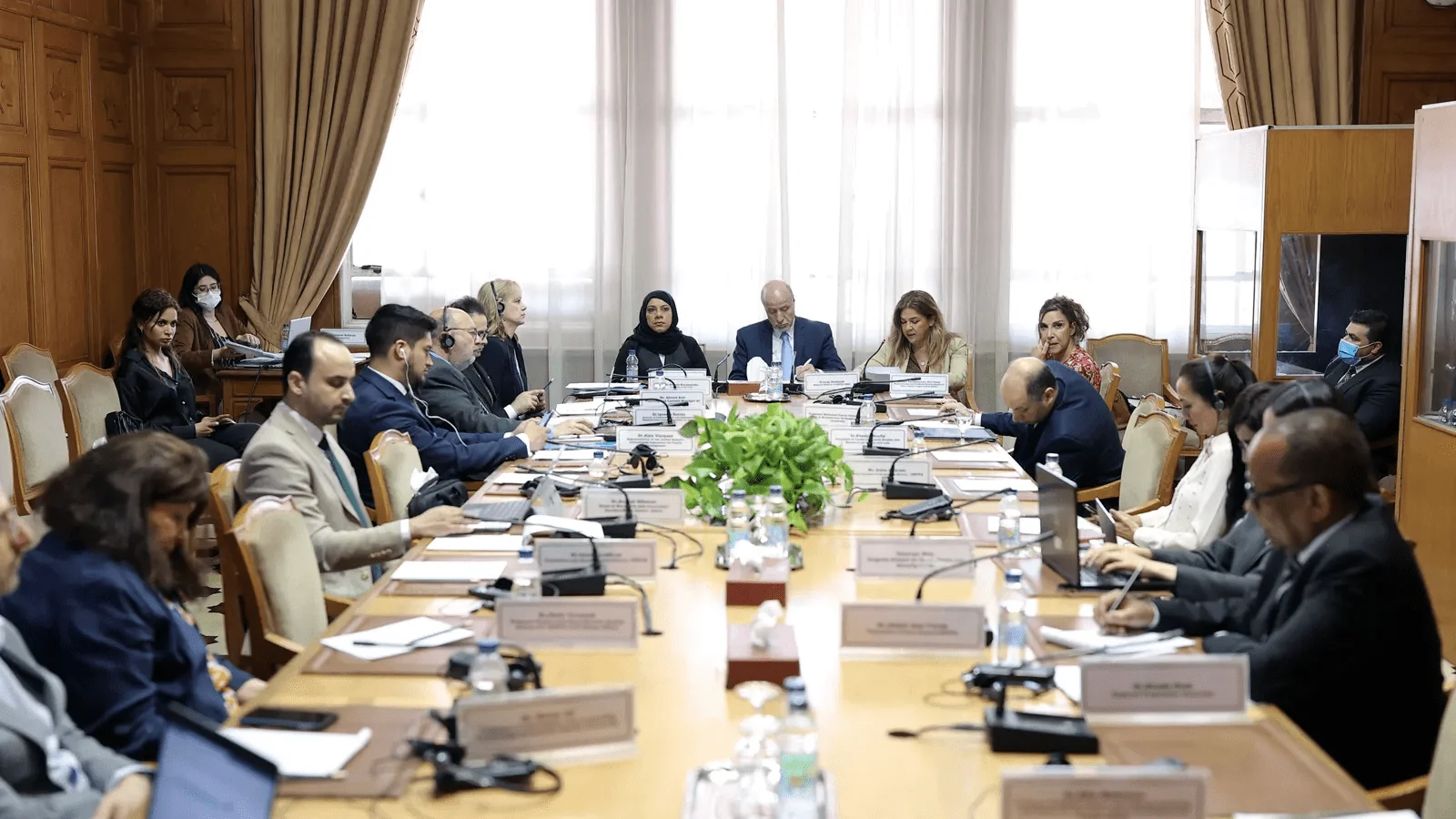 In addition, the discussions also reviewed the topics of the effects of violence and cyberbullying on the well-being of children and young people, digital addiction and its repercussions on marital and parenting relationships, social technology and its impact on family life variables and caring for the elderly in the 21st century.
The meeting concluded with the importance of expanding families use of information technology, developing family capabilities, developing guiding mechanisms to protect families, especially children and adolescents, from violence and cyberbullying, as well as investing in assistive technology to provide a better experience for the care of the elderly and inclusion of people with disabilities, creating and developing evidence-based parenting programs, examining the relationship between digital addiction and the family environment, and developing theory-informed and data-backed solutions. In this regard, Executive Director of DIFI Dr. Sherifa Noman Al Emadi confirmed that the Institute plays a crucial role in advocating family policies within the international development agenda in cooperation with the UN in various aspects, taking into account the leading role played by the Institute in organizing the annual conferences prior to the International Year of the Family, and the accompanying preparatory events. In turn, Professor of Information and Computing Technology at Hamad Bin Khalifa University Dr. Raian Ali stressed the need to understand the nature of family relationships and their relationship to modern technology.
It is necessary to understand the interrelationship between technology use and the family environment, he stressed, in order to be able to design intervention and counseling programs on technology use and overuse. He added that digital education programs and tools must be contextual and culturally sensitive, and there is a need to research beyond general concepts of digital addiction and digital well-being, delves into details, and studies the nuances and different features of digital media, as well as family structure and values. (QNA)
Concept note EGM
Background note EGM
- Recognize the family as the agent of sustainable development and prioritize the social development through effective family-oriented policies at the national levels.
- Expand families’ access to information technology and develop family capabilities in this regard.
- Develop parenting education programmes to protect families, especially children and adolescents, from violence and cyberbullying, and develop related manuals
- Consider the spatial and organizational capabilities of the house and its traditional functions to accommodate the experience of working and teaching during crises.
- Invest in assistive technologies to provide better care for older persons and inclusion for persons with disabilities and all vulnerable members of the family.
- Create and develop evidence-based parenting programs, and invest in the inter- relation between digital addiction and family environment and developing theory- informed and evidence-based solutions
- Raise awareness of the digital addiction dangers and how parents can deal with it.
- Develop monitoring and following-up mechanisms with regard to the family, fertility data and population dynamics.
- Establish an observatory of family policies by the Doha International Family Institute in cooperation with the League of Arab States.
- Continue cooperation between the Doha International Family Institute and the United Nations Department of Economic and Social Affairs and other partners in the preparations for the thirtieth anniversary of the International Year of the Family, including regional research in cooperation with the League of Arab States.
- Conduct studies on the impact of Covid-19 on fertility-behavioral trends.
- Encourage sharing of good practices and research on IYF+30 mega trends.
- Invest in impact assessment research to evaluate family policies.
- Evolve digital literacy and digital parenting programs to respond to technology advances and new usage patterns
- With reference to the civil society declaration, the below recommendations were noted:
15.1. Address the intergenerational digital gap among all family members in order to design and implement policies and programs to strengthen intergenerational solidarity, recognize interdependence, ensure equal educational access, build mentorship schemes among generations and promote positive interactions and intra-family relations.
15.2. Promote the use of new technologies in flexible work arrangements such as teleworking, through the provision of public and private services, infrastructure and social protection policies to enable families fulfill their care responsibilities.
15.3. Ensure accessible technology to all family members, considering it as an investment to develop educational programmes, new services, new jobs, new forms of cooperation while working towards a universal access to proper underlying infrastructure, devices, skills and protection.
15.4. Encourage open communication between parents and children, as well as resilience and awareness about online risks while assisting parents to be informed of platforms and media choices their children interact with.
Recommendations EGM
Schedule
8:30 am
Cairo
Speakers:
Dr. Sharifa Al Emadi, Executive Director, DIFI
Ms. Renata Kaczmarska, Focal Point on the Family, UN DESA
Dr. Luay Shabaneh, Regional Director, UNFPA ASRO
9:30 am
Cairo
(Organized by UNFPA)
Guiding questions:
- What are the major ways that technology has impacted marriage rates?
- What are the impacts of technology on marital relationships and stability?
- In what ways does technology affect quality family life and fertility decisions?
- What family policies might help countries improve fertility rates?
11:45 am
Break
11:15 am
Cairo
(Organized by UN DESA)
This session will focus on the role of technology on work-family balance.
Guiding questions:
- What is the role of technology in supporting work-family balance?
- What are the advantages and challenges that families face in supporting work-family balance using technology?
- What is the role of technology in new family living arrangements and care for older persons?
Keynote presenters:
Susan K. Walker, Ph.D. Associate Professor Department of Family Social Science University of Minnesota
Mohamed Gamal Abdelmonem, Professor of Architecture, Nottingham Trent University
12:30 pm
Lunch
1:45 pm
Cairo
(Organized by DIFI)
This session will also focus on the role of technology on the adolescent and family wellbeing during COVID-19 and beyond.
Guiding questions:
- In what ways did technology enhance/challenge family relationships during COVID-19?
- What are the impacts of technology on adolescent wellbeing?
- What are the lessons learned?
9:00 am
Cairo
Organized by UNFPA)
This session will highlight the role technology plays on increasing and mitigating cyber-bullying and violence.
Guiding questions:
- In what ways does technology increase or mitigate cyberbullying and violence?
- What policies might help combat cyber-bullying and violence?
10:15 am
Break
10:45 am
Cairo
(Organized by UN DESA)
This session will examine the impact of digital parenting on family wellbeing.
Guiding questions:
- What are the advantages and challenges parents face with regards to technology as a facilitatory of parenting education?
- What policies can support parents and children in bridging the digital gap between them?
Keynote presenter:
Susan K. Walker, Ph.D. Associate Professor Department of Family Social Science University of Minnesota
12:00 pm
Lunch
12:45 pm
Cairo
(Organized by DIFI)
This session will critically discuss the impact of digital addition on family cohesion.
Guiding questions:
- What are the risks of digital addition on child wellbeing and family cohesion?
- What policies can support parents and children in limiting digital addition and strengthening family cohesion?
2:00 pm
Closing Remarks
Research – Papers and Presentation
Biographical Notes of Participants
Images