

Confronting family poverty and social exclusion
Event Details
Date 05 Jun 2012
Time 8:00 am
Location Brussels
Aimed to examine family oriented policies and strategies concerning poverty, work-family balance, social integration, and intergenerational solidarity.
This expert group meeting is titled “Confronting family poverty and social exclusion, ensuring work-family balance and advancing social integration and intergenerational solidarity in Europe”
The preparations for the anniversary focused on reviewing family-oriented policies and strategies aiming mainly at confronting family poverty; ensuring work-family balance and advancing social integration and intergenerational solidarity. The preparatory process is to accelerate progress in family policy development; demonstrate its relevance for overall development efforts, and draw attention to the role of member states and other stakeholders in achieving these goals.
The approaching anniversary offers an opportunity to share good practices in family policy-making and use successful policies and programmes as benchmarks that can be adapted to local norms and socioeconomic conditions in different countries.
Background materials
Papers
- Leave arrangements in Europe: Major trends, challenges and policy issues by Fred Deven PhD.
- Improving intergenerational relationship focusing on parents’ relationship quality: family break-up and parental conflict by Anna Garriga
- The Case Method as a tool to help parenting, family communication and stability by Alonso Gil Casares
- Family change, child well-being and social inequality by Juho Härkönen
- Work, fertility and the transition to parenthood: Trends and their impact on work and family agenda by Dimiter Philipov
- Integration of family policies responses and shared responsibilities by Lorenza Rebuzzini
- Good practices in anti-poverty family-focused policies and programmes in developed countries by Dominic Richardson
- Prevention and development of human skills in the family by Silvana Tiani Brunelli
The views expressed in these papers or presentations are the authors and do not necessarily represent the views of, and should not be attributed to, the Doha International Family Institute
Related Events

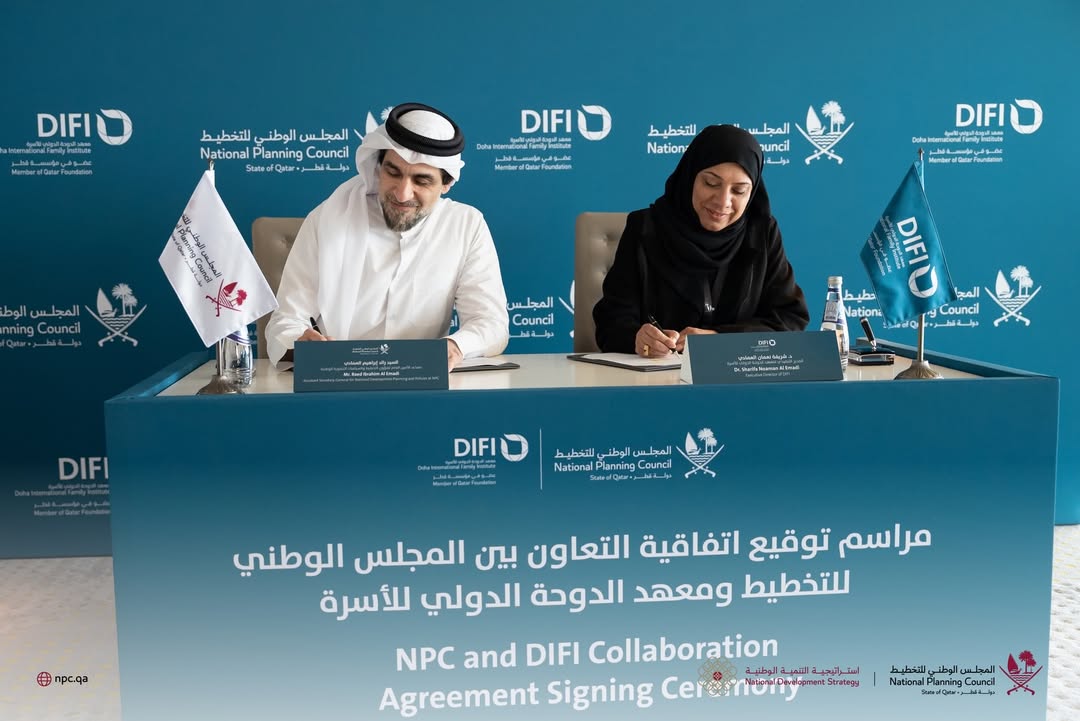
 Qatar Foundation Headquarters – 8th Floor – Visitor Center
 10:30 AM – 11:15 AM
National Planning Council and Doha International Family Institute MoU Signing…
View Details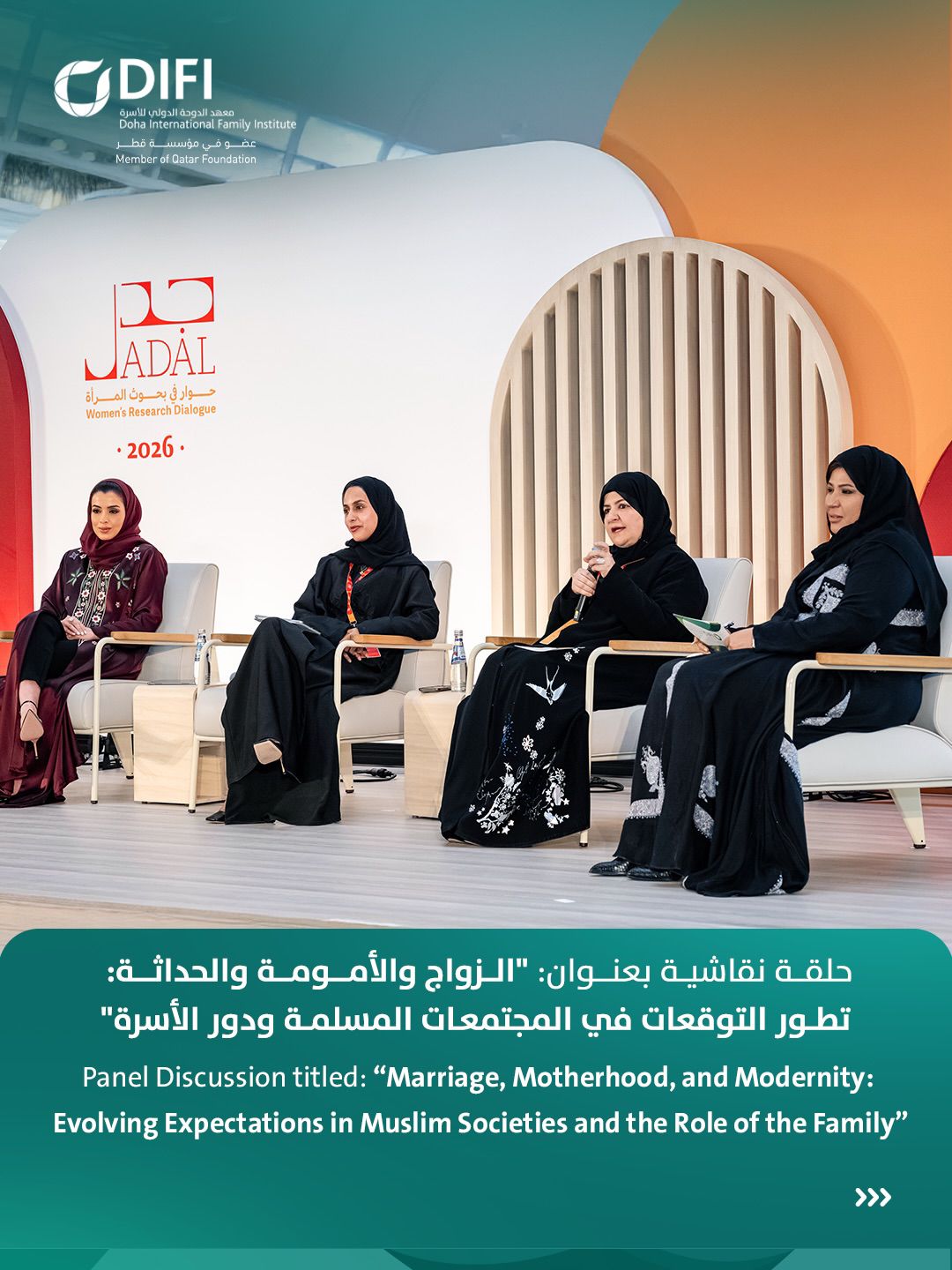
Al Mujadilah Center and Mosque for Women – Education City
10:55 AM – 12:10 PM
Marriage, Motherhood and Modernity: Evolving Expectations in Muslim Societies and…
View Details
Oxygen Park, Education City
7:00 AM – 3:30 PM
DIFI’s Participation at Qatar Sport Day Activities
View Details
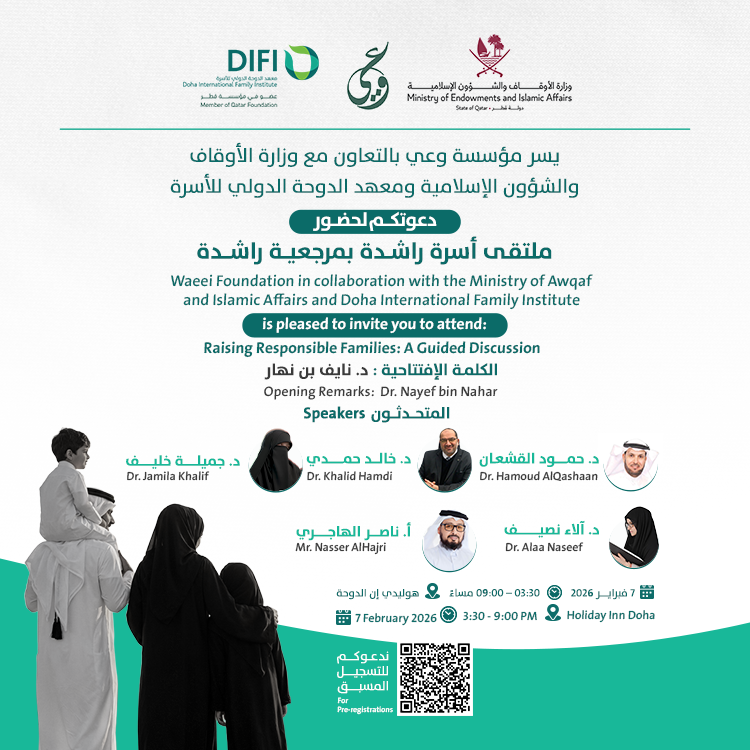

Kempinski Marsa Malaz, Doha
“Voices for the Future: Youth Perspectives in Addressing Drug Use”…
View Details
Al Khor Primary School for girls
“From Psychological Safety to Academic Excellence” Seminar
View Details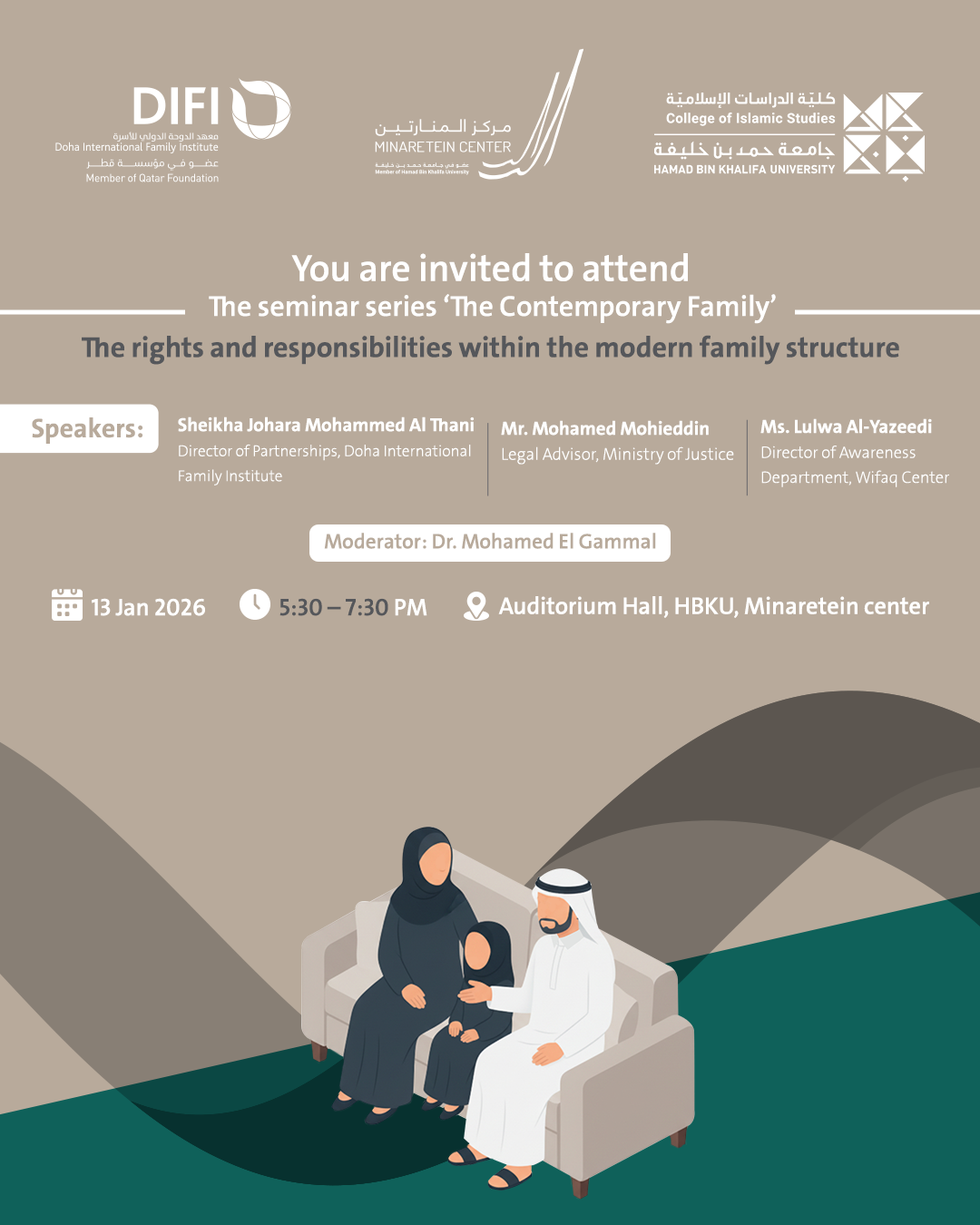
Auditorium Hall, HBKU, Minaretein center
5:30 PM – 7:30 PM
The seminar series ‘The Contemporary Family’ The rights and responsibilities…
View Details
Main Auditorium Al Minaratein Building
5:30 PM – 7:30 PM